
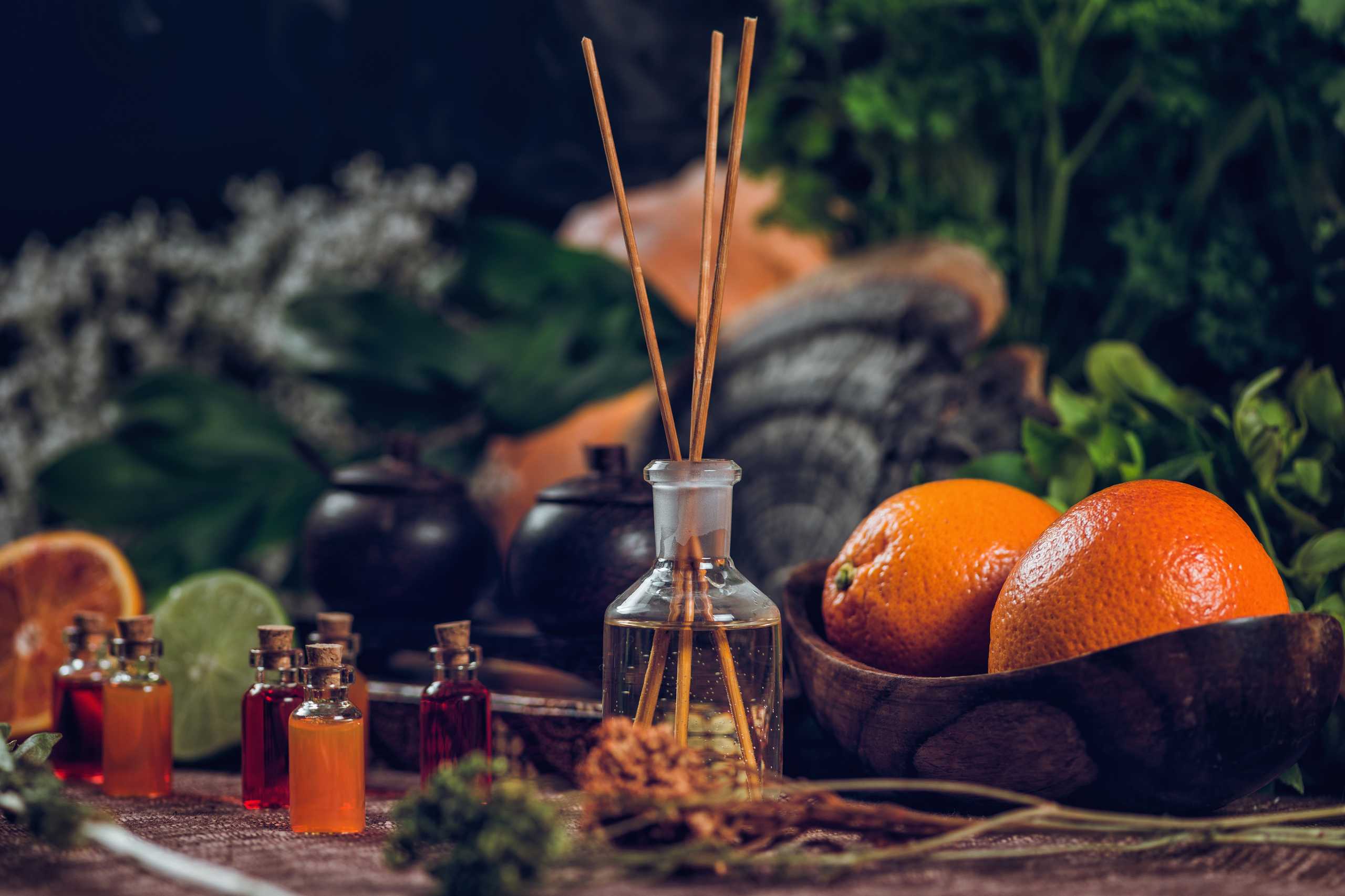
The Art and Science of Fragrance Blending
Introduction:
Creating a unique fragrance is both an art and a science. At ScentDiffuse, we believe that every successful scent begins with understanding the raw materials and their interactions. Essential oils, absolutes, and aroma compounds each carry distinct characteristics that influence how a fragrance unfolds over time.
Exploring the Notes:
- Top Notes: These are the initial scents perceived when a fragrance is applied. They are often light, fresh, and volatile, creating the first impression. Citrus, mint, and herbal extracts are commonly used to capture attention immediately.
- Heart Notes: Known as the “body” of the fragrance, heart notes appear once top notes evaporate. Floral, spicy, and fruity aromas often dominate this stage, providing balance and depth.
- Base Notes: The foundation of a scent, base notes linger the longest, giving richness and stability. Woody, musky, or resinous elements often form this essential layer.
Techniques for Harmonious Blends:
Blending is not just combining scents randomly; it’s about harmony and proportion. Perfumers consider volatility, intensity, and the emotional impact of each note. Techniques include:
- Layering similar scents to enhance a particular aroma
- Balancing contrasting notes to create depth
- Experimenting with ratios to achieve a signature blend
The Creative Process:
Fragrance creation is also deeply personal. The perfumer’s memory, experiences, and emotions influence the outcome. At ScentDiffuse, we encourage students to explore freely, experiment without fear, and allow their intuition to guide the creative process.
Conclusion:
Mastering fragrance blending takes practice, observation, and curiosity. Every scent tells a story — one that can evoke memories, shift moods, and transform environments. With dedication and creativity, anyone can learn to craft aromas that resonate deeply with themselves and others.